
.png)

Breaking Down Bread: From Ancient Grains to Modern Loaves
- Kate Vincent

- Sep 10, 2025
- 4 min read
Updated: Sep 11, 2025
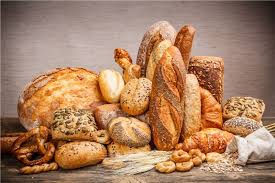
Bread has been a fundamental part of the human diet for millennia, often called the "staff of life." But if you compare the crusty, wholesome loaf of our ancestors to a modern, supermarket-bought slice, you'll see just how much has changed. As a specialist in nutrition, I want to demystify what makes bread healthy, what to look out for in the shops, and why you might want to try a more traditional approach.
The Problem with Modern Bread: More Than Just Flour
Many of the loaves you find on supermarket shelves today are far more than just flour, water, and yeast. A quick look at the ingredient list on some pre-sliced bread will reveal a long list of ingredients that you might not expect [1]. These can include:
Preservatives to prolong shelf life.
Emulsifiers to create a softer texture.
Added Sugars to improve flavour and help with browning.
Processing Aids to speed up production.
This industrial process and added ingredients can have a significant impact on your body. Highly processed, low-fibre breads are often broken down very quickly in the gut, which can lead to a rapid spike in blood sugar [2]. This fast absorption can cause an energy crash and leave you feeling hungry soon after eating.
The Secrets of "Baked In-Store"
That wonderful smell of fresh bread from the supermarket bakery can be very deceptive. The term "baked in-store" is often a clever marketing trick. In many cases, these products are not made from scratch on the premises. Instead, they are pre-made loaves that were par-baked (partially baked) and frozen at an industrial plant, sometimes up to a year ago. They are then simply thawed and finished in the shop’s ovens. While they may smell fresh, they lack the true nutritional value and simple ingredients of a traditionally baked loaf.
Carbs vs. Sugars: A Key Indicator
When looking at a bread's nutritional information, it's easy to get confused. All bread contains carbohydrates, which are a vital energy source for our bodies. The key is to look for added sugar in the ingredients list. Carbohydrates from a simple flour, water, and yeast mixture are a sign of a quality loaf. However, many modern breads contain additional sugars to enhance flavour and appearance. A healthy bread should get its taste from the quality of its flour and a natural fermentation process, not from added sweeteners.
What to Look For and the Power of Sourdough
Making a healthy choice doesn't have to be complicated. When you're in the shop, turn the loaf over and look at the ingredient list. The simplest and most nutritious breads have the shortest lists.
A common marketing trick to watch out for is with "wholemeal" bread. The rich, dark colour is often presented as a sign of health, but be aware that some loaves are simply made with white flour and then dyed brown with additives like caramel or malted barley. Always check the ingredient list to ensure the bread is made with 100% wholemeal or whole-grain flour.
What to Look For in a Healthy Loaf:
Whole Grains: Look for bread made with 100% wholemeal or whole-grain flour. This provides more fibre, vitamins, and minerals.
Simple Ingredients: The ideal list should contain just a few ingredients: flour, water, salt, and yeast (or a sourdough starter).
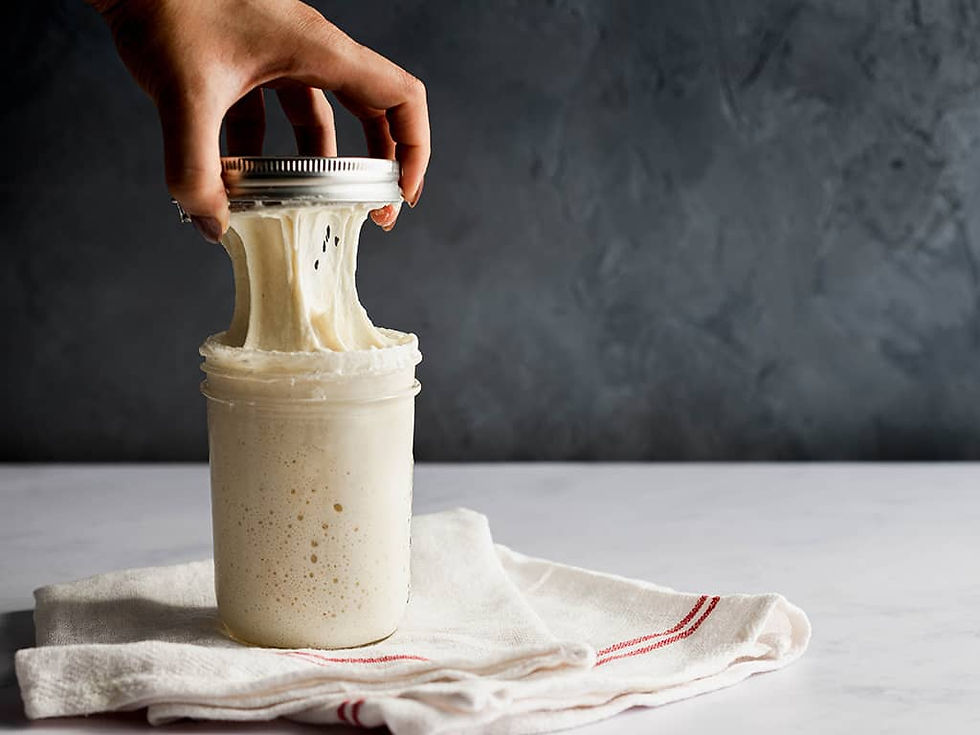
This brings us to the remarkable power of sourdough. Sourdough bread is made through natural fermentation. Instead of using commercial yeast, a mixture of flour and water is allowed to ferment, creating a living "starter" that is full of natural, wild yeasts and bacteria from the air and even our hands. This process is what gives sourdough its unique flavour and its health benefits.
The slow fermentation process helps to break down gluten and other compounds in the flour, which can make it easier to digest for some people [3]. This also lowers the bread's glycaemic index, meaning it causes a slower, more stable rise in blood sugar compared to standard bread.

Kate's Recommendation: In this post, I’ve shared my perspective on what makes a bread truly healthy: simple ingredients, minimal processing, and a focus on gut health. But what if a modern, mass-produced loaf could actually be a great choice for your well-being?
I've been exploring new developments in nutrition, and I've found a product that challenges everything I thought I knew: Modern Baker's SUPERLOAF.
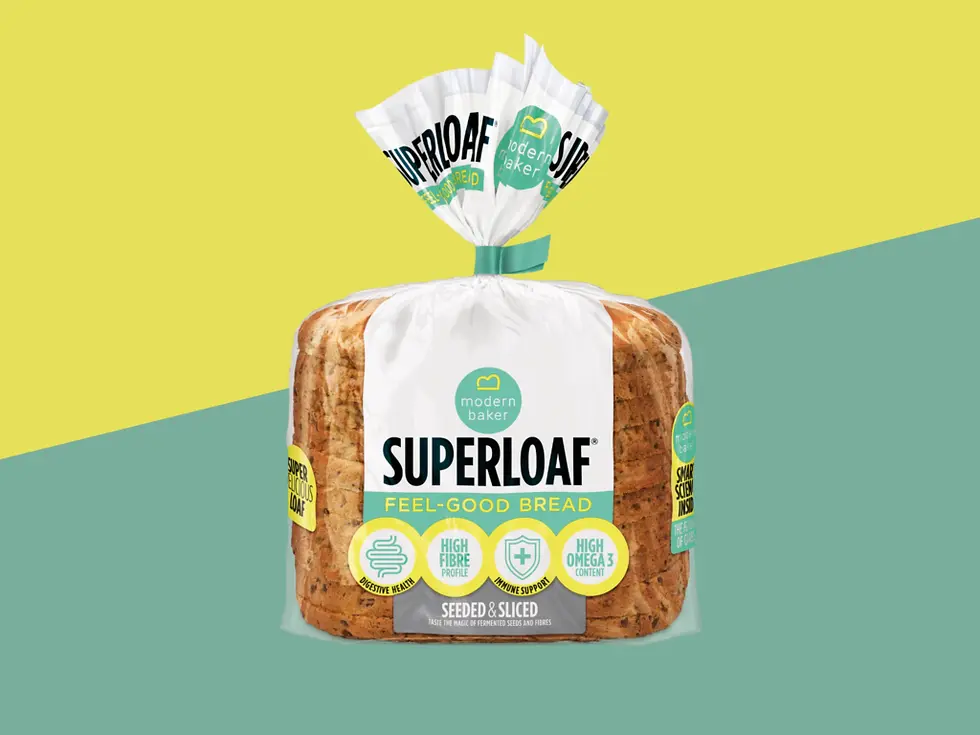
This loaf is different. It’s not just a simpler version of supermarket bread—it’s a bread designed from the ground up for metabolic health. Instead of a short ingredient list, it has a carefully curated one, packed with a range of fibers, Omega 3, and other essential nutrients.
Here's why I'm recommending it:
It’s a white loaf that's healthier than most wholemeal. Modern Baker's scientific approach to gut health means they've packed a delicious, fluffy white loaf with all the fiber and nutrients you need to support your body.
It’s backed by science, not just marketing. The company was founded by someone on a mission to improve food quality, and their research has resulted in a bread that truly earns the "super" in its name.
It’s an easy, positive change. We all have busy lives, and finding a healthy, convenient option that still tastes great can be a challenge. SUPERLOAF makes it simple to nourish your body without having to completely change your habits.
I've always believed that choosing a healthy bread is a simple but powerful way to improve your daily habits. SUPERLOAF is a fantastic option for anyone who wants to do just that.
References
[1] The B vitamins: From ancient to modern foods. The British Nutrition Foundation.
[2] The glycaemic index. The NHS.
[3] The impact of sourdough fermentation on bread's digestibility. Journal of Agricultural and Food Chemistry.
[4] The science of 'bake-off' products. Food Standards Agency.


Comments